Categories

The Importance of High Pressure Filters in Various Industries
What is a High pressure filter?A high pressure filter is a device that is used to remove impurities and contaminants from fluids under high pressure conditions. These filters are designed to withstand the high pressures and flow rates found in industrial settings, making them essential in various industries. High pressure filters are commonly used in oil and gas, chemical processing, power generation, and many other applications where the quality of the fluid is crucial for the operation of equipment and machinery.The Functioning of High Pressure FiltersHigh pressure filters work on the principle of filtration, where the fluid is passed through a porous medium that traps the contaminants while allowing the clean fluid to pass through. These filters are typically made of durable materials such as stainless steel or other alloys to withstand the high pressures and corrosive nature of the fluids being filtered. The filter medium can be a mesh screen, a pleated cartridge, or a ceramic disc, depending on the specific application and requirements.Benefits of Using High Pressure FiltersUsing high pressure filters in industrial processes offers numerous benefits, including:Improved Equipment Performance: High pressure filters help maintain the cleanliness of fluids, preventing the accumulation of contaminants that can clog or damage equipment. This leads to improved equipment performance, reduced downtime, and increased overall productivity.Extended Equipment Lifespan: By removing impurities from the fluid, high pressure filters help prevent corrosion and wear on equipment, extending their lifespan and reducing the need for frequent repairs or replacements.Enhanced Product Quality: In industries such as pharmaceuticals and food processing, the quality of the final product is critical. High pressure filters ensure that the fluids used in these processes are free from contaminants, resulting in higher product quality and customer satisfaction.Environmental Protection: High pressure filters play a crucial role in protecting the environment by preventing the release of harmful substances into the air, water, or soil. They help comply with environmental regulations and minimize the impact of industrial processes on ecosystems.Applications of High Pressure FiltersHigh pressure filters find application in a wide range of industries and processes. Some of the key applications include:Oil and Gas IndustryIn the oil and gas industry, high pressure filters are used to remove contaminants such as sand, dirt, and rust from the drilling mud, hydraulic fluids, and other fluids used in drilling and production processes. These filters help maintain the integrity of equipment and prevent costly damage.Chemical ProcessingChemical processing plants often deal with corrosive fluids that need to be filtered before being used in various processes. High pressure filters are used to remove solid particles, impurities, and other contaminants from these fluids, ensuring the smooth operation of equipment and preventing blockages.Power GenerationIn power plants, high pressure filters are used to purify the water used in boilers and cooling systems. These filters remove suspended solids, sediments, and other impurities that can cause damage to turbines and other critical components. Clean water is essential for efficient power generation.ManufacturingManufacturing processes often involve the use of hydraulic systems that require clean fluids to operate effectively. High pressure filters are employed to remove contaminants from hydraulic fluids, ensuring the proper functioning of machinery and reducing the risk of breakdowns.Pharmaceuticals and Food ProcessingBoth the pharmaceutical and food processing industries have stringent quality standards. High pressure filters are used to remove bacteria, particles, and other impurities from the fluids used in these processes, ensuring that the final products meet the required safety and quality standards.Water TreatmentIn water treatment plants, high pressure filters are used to remove sediments, particles, and microorganisms from the water supply. These filters help ensure that the treated water is safe for consumption and meets the required quality standards.Choosing the Right High Pressure FilterWhen selecting a high pressure filter for a specific application, several factors need to be considered:Pressure Rating: The filter should be capable of handling the maximum pressure of the system it will be installed in. It is crucial to choose a filter with a pressure rating higher than the system's operating pressure to ensure its reliability.Flow Rate: The filter should be able to handle the required flow rate of the fluid without causing excessive pressure drop. It is important to select a filter that can accommodate the maximum flow rate of the system.Filter Medium: Different applications require different filter media. The choice of filter medium depends on the size and type of contaminants present in the fluid. Mesh screens are suitable for larger particles, while pleated cartridges or ceramic discs are more effective for finer filtration.Compatibility: The materials used in the filter should be compatible with the fluid being filtered to prevent any chemical reactions or degradation. It is essential to consider factors such as temperature, pH level, and chemical composition when selecting a high pressure filter.Maintenance and ReplacementRegular maintenance is crucial to ensure the optimal performance of high pressure filters. This includes regular inspection, cleaning or replacement of filter media, and monitoring of pressure differentials. The frequency of maintenance depends on the specific application and the level of contamination in the fluid being filtered.ConclusionHigh pressure filters play a vital role in various industries, helping to maintain the cleanliness and reliability of fluids used in industrial processes. These filters offer several benefits, including improved equipment performance, extended equipment lifespan, enhanced product quality, and environmental protection. Choosing the right high pressure filter and conducting regular maintenance are essential for ensuring their optimal performance. By investing in high pressure filters, industries can minimize downtime, reduce maintenance costs, and improve overall productivity.Quote InquiryContact us!
READ MORE
What is the effect of hydraulic oil filter on oil?
Hydraulic oil filter plays a vital role in maintaining the stability and efficiency of the hydraulic system. Through efficient filtration, these filters not only protect the machinery from contaminants, but also indirectly affect the performance and service life of the oil. The following is the impact of hydraulic oil filter on oil products:1. Degree of cleanlinessThe main function of hydraulic oil filter is to filter out solid particles and colloidal substances in hydraulic oil. These impurities can come from the internal formation of the system or from outside, such as metal particles and contaminants. Through effective filtration, the filter element ensures a high level of cleanliness of the oil, which is essential to protect the precision components within the system from wear and failure.2. Mechanical life of hydraulic oil filterThe use of high-quality hydraulic oil filters can effectively control the pollution level of the working medium, thereby reducing the wear and failure rate of mechanical equipment. When impurities in the oil are effectively removed, the service life of pumps, valves and other critical components in the system is extended, reducing the frequency and cost of repair and replacement.3. System efficiency of hydraulic oil filterThe hydraulic oil filter ensures the efficiency of the hydraulic system by maintaining the cleanliness of the oil. When there is no interference from impurities in the oil, the flow and pressure transmission of the hydraulic system is smoother and the response speed is faster, thus improving the efficiency of the overall operation. Hydraulic pumps, for example, have more stable performance and lower energy consumption when handling cleaner oils.4. Oil life Hydraulic oil filter helps to extend the service life of the oil. By replacing the filter element regularly, the accumulation of impurities and sediments in the oil can be reduced, and the chemical property changes and degradation caused by these substances can be avoided. This not only maintains the chemical stability of the oil, but also reduces the frequency of replacement due to premature deterioration of the oil.5. Environmental impact of hydraulic oil filterThe use of hydraulic oil filters also contributes to environmental protection. By keeping the oil clean, environmental pollution caused by system leaks or oil changes is reduced. In addition, extending oil product life and optimizing system efficiency also means less resource consumption and waste generation.5. Safety factor of hydraulic oil filterThe hydraulic oil filter indirectly improves the safety of the system by keeping the oil clean. Clean oil reduces wear and failure of equipment, reducing potential safety hazards such as sudden equipment shutdowns or component damage. At the same time, the standard filter element also ensures that the hydraulic system operates within safe operating parameters.6. Economic effectsAlthough high-quality hydraulic oil filters require a certain investment, they can save more money in the long run by improving system efficiency, extending equipment life, and reducing maintenance costs. This economic benefit makes the hydraulic oil filter element an indispensable part of the hydraulic system.Quote InquiryContact us!
READ MORE
What should I pay attention to when buying a filter?
When purchasing hydraulic oil filters, a number of important factors should be considered to ensure the effective operation and long-term maintenance of the system. Here are some of the main considerations:1. Filtration accuracy of hydraulic oil filtersWhen selecting a filter, you must ensure that its filtration accuracy can meet the requirements of the system. Filtration accuracy refers to the minimum particle size that the filter can intercept. For precision equipment, such as servo valves or proportional valves, high-precision filters are needed to avoid particles entering sensitive parts and causing damage.2. Traffic requirementsThe filter selected must have sufficient flow to adapt to the needs of the system and avoid a drop in system pressure or performance due to insufficient flow. The flow rate of the filter should match the flow rate of the pump and the working pressure of the system.3. Filter material of hydraulic oil filtersThe material of the filter directly affects its service life and maintenance cycle. Common filter materials include metal mesh, chemical fiber, glass fiber, etc., of which glass fiber usually has better filtration effect and corrosion resistance.4. Installation method of hydraulic oil filtersSelect the appropriate filter type (such as oil suction filter, pressure filter or return oil filter) according to the system design, and ensure that it is correctly installed, especially the direction of the inlet and outlet should be correct to prevent misoperation leading to system failure.5. Maintenance and replacementConsidering the ease of maintenance and replacement, it is important to choose a filter model that is easy to replace the filter element, especially for production lines that cannot be easily shut down. Check and replace the filter element regularly to keep the hydraulic system clean and efficient.6. Environmental adaptability of hydraulic oil filtersConsider the special requirements of the working environment, such as high temperature, high humidity or corrosive chemicals, select the filter designed for the corresponding environmental conditions to ensure the performance and durability of the filter.Quote InquiryContact us!
READ MORE
What is filtration accuracy?
Filtration accuracy is a key indicator to measure filtration performance, usually in microns (μm) as a unit, indicating the size of the pore size of the filter element, that is, the largest particle size that can pass through the filter. Here are a few key steps and considerations to determine filtration accuracy:1. Understand nominal accuracy and absolute accuracy:(1) The nominal accuracy is an arbitrary micron value provided by the filter manufacturer, and the use of this filtration accuracy is gradually decreasing due to the poor repeatability of the test results.(2) Absolute accuracy is the maximum spherical particle diameter that can pass through the filter under certain test conditions, representing the maximum aperture size of the filter element.2. Understand the filter ratio:The filter ratio is the ratio of the number of particles larger than a given size (X) upstream of the filter to the number of particles larger than the same size (X) downstream, also known as the Bate value, symbol "β".3. Consider the number of filter mesh:The mesh number of the filter refers to the number of mesh per square inch of the area, and different mesh numbers correspond to different filtration accuracy, which can be determined by the comparison table.4. Selection of detection means of the filter element:(1) Bubble point test: by measuring the pressure difference on both sides of the microporous film to determine the filtration accuracy, suitable for the detection of filter materials with irregular pore size.(2) Filtration efficiency: According to the membrane aperture and membrane aperture distribution to evaluate the filtration accuracy of the filtration product.(3) Bacterial challenge: For the debacteria-grade filter element, specific microorganisms are used for challenge certification to determine its filtration accuracy.(4)SEM photos: The image taken by the electron microscope is used to observe and measure the aperture size, but there may be uneven results caused by differences in sampling points.5. Consider the nominal unit of the manufacturer:Different manufacturers may use different nominal units to indicate the accuracy of the filter element, which may lead to confusion in the understanding of filter accuracy in the market.6. Pay attention to the differences in detection methods:Different detection methods may lead to different nominal accuracy of filter elements, so this needs to be taken into account when comparing the filtration accuracy of different filter elements.7. Use of conversion table :The mesh number can be converted to the corresponding filtration accuracy (micron) by using the conversion table, which is easy to compare and select between different products.8. International application requirements:According to the actual application scenario and the characteristics of the fluid, determine the required filtration accuracy to ensure that the filtration effect meets the specific requirements.Determining filtration accuracy is a process that involves several factors, including understanding different types of accuracy definitions, choosing the appropriate detection method, considering nominal unit differences from manufacturers, and making decisions based on actual application requirements. By combining these factors, the filtration accuracy of the filter can be more accurately determined, thus ensuring that the filtration effect meets the expectations.Quote InquiryContact us!
READ MORE
What are the benefits of using a filter?
As a device widely used in various systems, the benefits of filters are mainly reflected in the following aspects:1. Improve the purity of the mediumThe filter can effectively remove impurities, particles or pollutants from the fluid, thus ensuring the purity of the transport medium. This is very important for many industrial processes and daily life, such as in chemical, pharmaceutical, food processing and other fields, pure fluids are a key factor in ensuring product quality and safety.2. Protect the device of filtersThe filter can prevent impurities from entering the system, avoid damage to valves, pumps and other equipment, and extend the service life of the equipment. In hydraulic systems, for example, filters can trap tiny metal particles, preventing them from scratching or clogging sophisticated components.3. Easy maintenance of filtersMany filters are designed for easy cleaning and replacement, such as removable cartridges, making maintenance easy and convenient. This not only reduces downtime, but also reduces long-term operating costs.4. Improve production efficiency of filtersIn industrial production, the use of filters can reduce the failure and downtime caused by impurities, thereby improving the overall production efficiency. For example, in oil extraction, filters are used to separate oil-water mixtures and ensure the smooth flow of oil pipelines.5. Reduce environmental pollutionThe application of filters in wastewater treatment and waste gas discharge helps to reduce environmental pollution. After removing harmful substances through filtration, wastewater and exhaust gases can be safely discharged into the environment, reducing the impact on the ecosystem.6. Save resource consumption of filtersThe filter can recover and reuse some resources that would otherwise be discarded, such as in the filtration of metal processing fluids, the filter can extend the service life of the liquid and reduce the demand for new liquids, thereby saving resources and costs.In summary, the application of filters brings many benefits. When selecting and using filters, the appropriate filter type and configuration should be selected according to the specific application scenarios and needs to ensure the best filtering effect and economic benefits.Quote InquiryContact us!
READ MORE
What are the advantages of rotary low pressure filters?
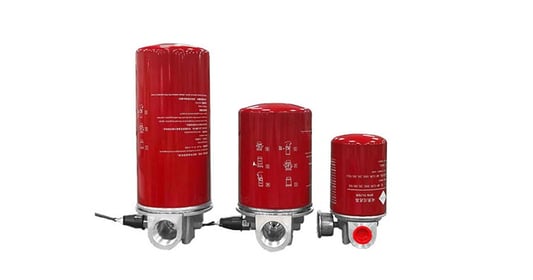
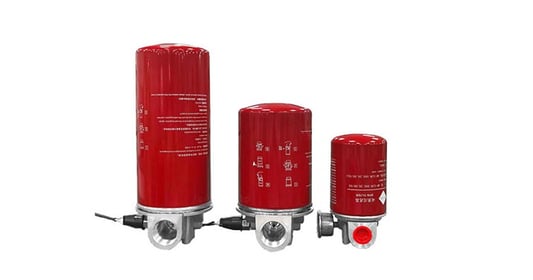
As a common filter equipment, rotary low pressure filter is widely used in industrial and commercial fields. Its key benefits include ease of installation, high flow handling capacity, corrosion resistance, and integrated indicators. The following is a detailed analysis of the advantages of rotary low pressure filters:1. Easy to install and maintain(1) Fast screw in design: The rotary low pressure filter uses an easy-to-operate screw in design, making the replacement of the filter element simple and fast.(2) Strong compatibility: the filter can be mixed and matched with the existing filter head and filter system to improve its applicability and flexibility.2. High traffic handling capacity of rotary low pressure filters(1) Large flow range: The rotary low-pressure filter has a flow processing capacity of up to 360 L/min, which is suitable for scenarios that need to handle a large number of fluids.(2) Pressure adaptability: The maximum working pressure is 10 bar, which can meet the needs of a variety of low-pressure applications.3. Long-term corrosion protection of rotary low pressure filters(1) High-quality filter shell spraying: The filter shell is coated with high-quality coating, which effectively prevents long-term corrosion and extends the service life.(2) Improved material: By improving the filter material, the protection function is enhanced and the overall durability is improved.4. Integrated indicator of rotary low pressure filtersEasy to indicate the status of the filter element: the integrated indicator can facilitate the user to understand the use of the filter element, timely replacement of the filter element to ensure the filter effect.5. Bypass valve design of rotary low pressure filtersPrevent system overload: The bypass valve can automatically open when the pressure is too high to avoid system overload caused by the blockage of the filter element.In summary, the rotary low-pressure filter with its easy installation, high flow capacity, corrosion resistance, integrated indicators and other advantages, in a variety of filtration needs to perform well. The characteristics of its design and function make it ideal for many industrial and commercial applications. The user should fully consider its characteristics and advantages when choosing to ensure the efficient operation and long-term reliability of the equipment.Quote InquiryContact us!
READ MORE
How does the filter work?
The working principle of the filter is mainly through the external driving force, so that the solid particles in the mixture are trapped in the porous media, and the liquid passes through these pores, so as to achieve solid-liquid separation.The working process of the filter can be divided into the following key steps:1. Add a boost of the filterThis can be gravity, vacuuming, pressurization, or centrifugal force, and its role is to overcome the resistance of the fluid as it passes through the filter medium.2. Porous media of the filterThe filter medium through which the mixture passes is usually a material with small pores, such as fibers, sand beds, or other synthetic materials. The size of these pores determines the size of particles that can be trapped.3. Form filter cakeDuring the filtration process, the trapped solid particles gradually accumulate on the surface of the medium, forming a layered structure called the filter cake. Over time, the cake itself will also act as a filter.4. Filtrate collection of the filterThe liquid that passes through the porous medium and filter cake is called the filtrate, and it is collected, usually this part of the liquid has removed most of the suspended solids.5. Drainage device of the filterIn the air filter, the compressed air that has been initially filtered will enter the separation chamber, slowing down, allowing particles to gather, water to condense, and eventually flow along the bottom to the drainage device.In summary, the working principle of the filter is to remove suspended particles or impurities in the fluid through the use of porous media under different external forces to achieve solid-liquid separation process.Quote InquiryContact us!
READ MORE
What is the composition of the filter?
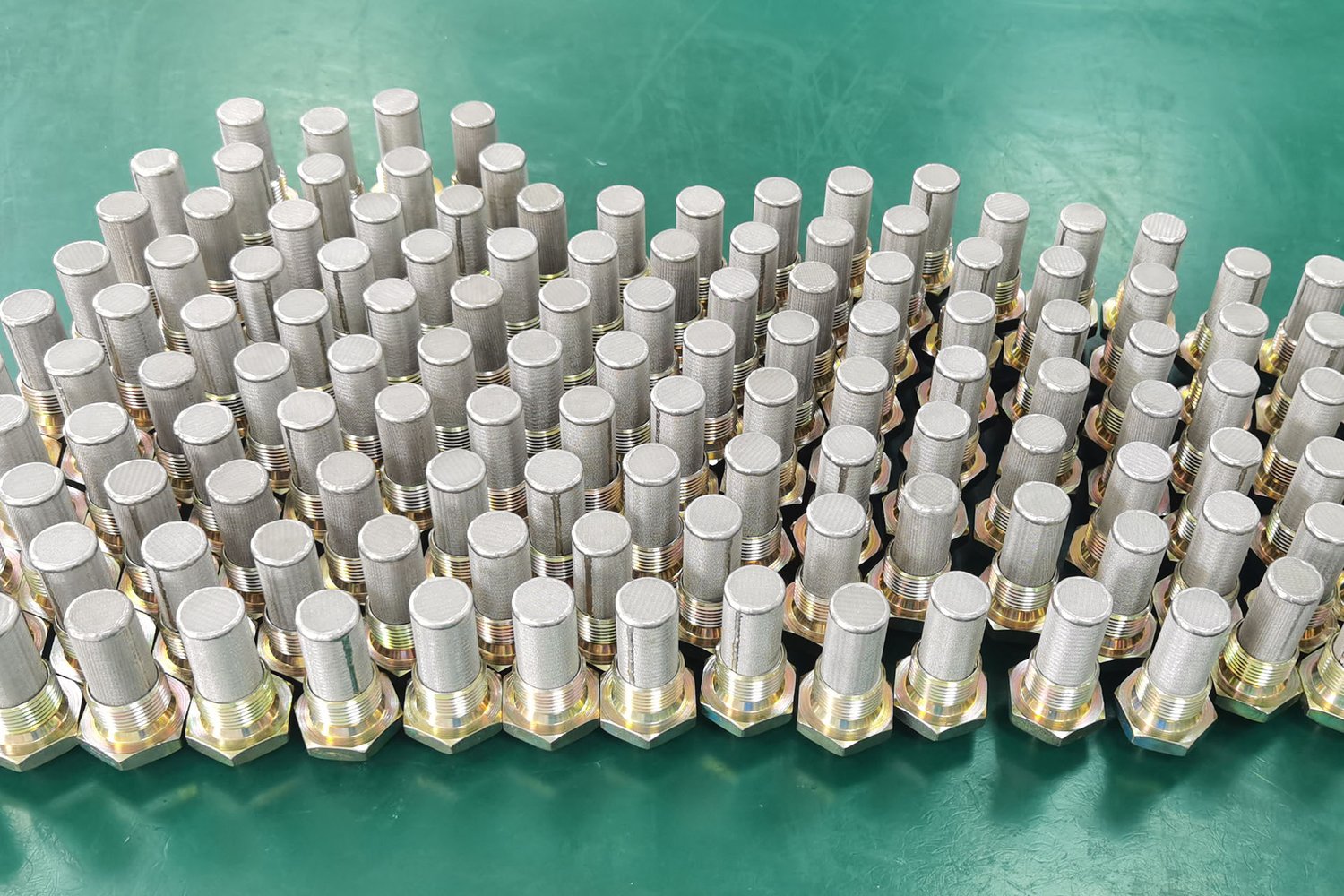
The composition structure of the filter usually includes the following parts:1. Cylinder of the filterThis is the main structure of the filter, which is used to house the filter screen and the medium to be filtered.2. Stainless steel filter The filter screen is the core component of the filter and is responsible for intercepting impurities. According to different filtration needs, the aperture and material of the filter will be different.3. Sewage part of the filterThis part is used to collect impurities intercepted by the filter screen for easy cleaning and maintenance.4. Transmission deviceIn some automatic or semi-automatic filters, the transmission is used to drive the movement or cleaning of the filter.5. Electrical control partFor filters with electronic control systems, the electrical control part is responsible for regulating the working state of the filter, such as pressure monitoring, timing cleaning, etc.In addition, depending on different application scenarios and filtration requirements, the filter may also include other auxiliary components, such as pressure reducing valves, pressure relief valves, and fixed level valves. When selecting a filter, the appropriate filter type and material need to be selected according to the specific medium type (such as gas, liquid), chemical properties (such as organic solvents), and the desired filtration accuracy.Quote InquiryContact us!
READ MORE
What are the types of filters?
There are many types of filters, and the following are some common filter types:1. Y-type filterUsually used in pipeline systems, it can remove impurities in the medium and prevent valve and equipment damage.2. Basket filterContains a basket-shaped filter element suitable for capturing larger particles of solid material.3.T filterThe cylindrical filter with T-shaped structure is mainly used to deal with the fluid with small amount of water and more impurities.4. Double and triple slot filtersWith two or three filter tanks to increase the filtration area and pollution capacity.5. Cartridge filterCylindrical shape with built-in filter, suitable for installation in pipelines requiring high efficiency filtration.6. Disk filterIt consists of a set of stacked disks, each of which forms a filter channel.7. Fiber filterThe use of fiber materials as filter media can effectively intercept particulate matter.8. Membrane filterThe membrane with specific pore size is used to separate the components in the mixture with high precision.9. Bag filterThe bag structure facilitates the replacement and cleaning of filter elements.10. Deep filterA thicker filter layer is used to trap smaller particles.11. Surface filterFiltration occurs on the surface of the filter medium and is mainly used for fine filtration.In addition, according to different classification standards, filters can also be divided into gravity filters, vacuum filters, pressure filters and other types. When selecting a filter, it is necessary to consider its performance evaluation indicators, such as filtration efficiency, capacity, pressure resistance, etc., to ensure that the filter model suitable for the specific application needs is selected.Quote InquiryContact us!
READ MORE