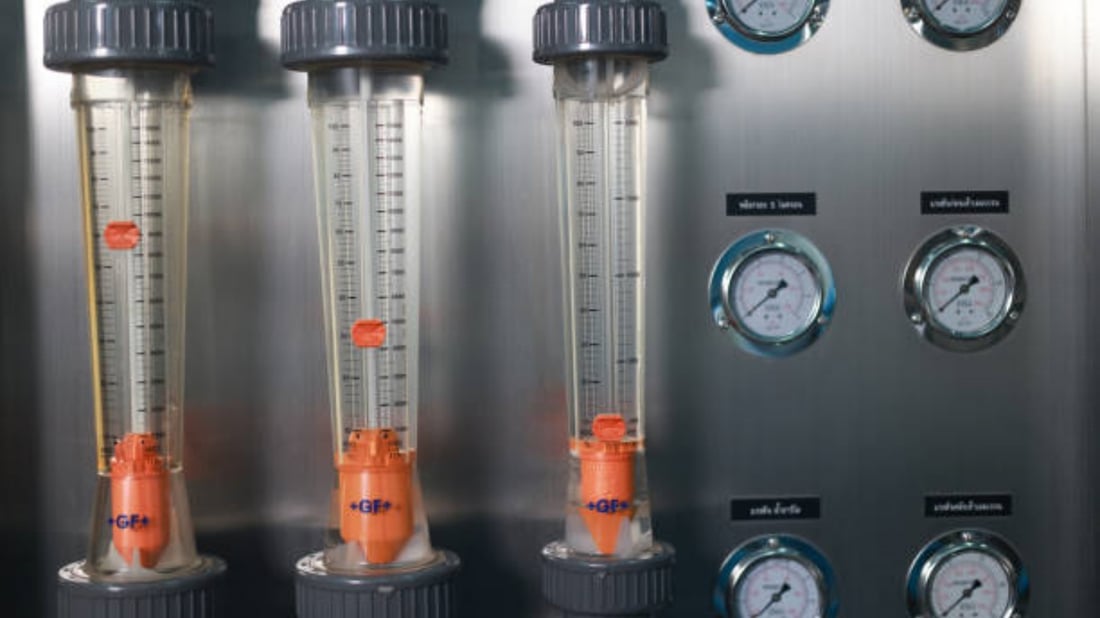
Remote Level Indicators are devices designed to measure and monitor the levels of liquids, solids, or slurries in tanks, vessels, or silos from a distance. They play an essential role across industries by providing precise, real-time data without requiring direct contact with the measured medium. This capability significantly enhances operational safety and efficiency, especially in hazardous or hard-to-reach environments.
Types of Remote Level Indicators
There are various types of Remote Level Indicators, including ultrasonic, radar, magnetic, and capacitive models. Each type operates on different principles suited for distinct applications. Ultrasonic and radar sensors use sound and electromagnetic waves, respectively, to gauge levels, while magnetic and capacitive types rely on changes in magnetic fields or capacitance to detect level variations. Understanding these distinctions is critical when selecting the appropriate Remote Level Indicator for specific industrial needs.
Applications in Industrial Sectors
Remote Level Indicators find extensive applications in industries such as oil and gas, water treatment, chemical manufacturing, and food processing. They enable operators to monitor fluid levels in storage tanks, prevent overflows, and regulate inventory management remotely. The ability to reliably track levels in continuous processes helps maintain product quality and ensures compliance with safety standards.
Benefits of Using Remote Level Indicators
Employing Remote Level Indicators offers numerous advantages, including improved safety by minimizing human exposure to hazardous materials. They facilitate remote monitoring, reducing the need for manual checks and lowering labor costs. Enhanced accuracy in measurement translates into better process control, while early detection of abnormal level changes helps prevent accidents and equipment damage.
Integration with Automation Systems
Modern Remote Level Indicators can be seamlessly integrated with automation and control systems. This integration allows real-time data to feed directly into SCADA or DCS systems, enabling automated alerts, remote adjustments, and comprehensive reporting. This synergy is pivotal for smart factories aiming to optimize process efficiency and minimize downtime.
Calibration and Maintenance Considerations
To maintain accuracy, Remote Level Indicators require periodic calibration and maintenance. Calibration involves adjusting the sensors to the correct reference points to ensure precise readings. Maintenance tasks often include cleaning sensor surfaces, checking electronic components, and verifying signal transmission integrity. Proper upkeep extends the lifespan of the devices and sustains their reliability under various environmental conditions.
Challenges and Limitations
While Remote Level Indicators offer many benefits, some challenges persist. Factors such as foam formation, dust, vapor, and extreme temperatures can affect sensor performance. Additionally, installation complexity and initial investment costs may be considerable for certain setups. Understanding these limitations helps users implement appropriate mitigation strategies to ensure optimal functionality.
Latest Innovations in Remote Level Indicator Technology
Advancements in sensor technology have led to the development of smart Remote Level Indicators featuring wireless connectivity, enhanced signal processing, and improved resistance to harsh environments. Incorporating IoT capabilities allows real-time data transmission to mobile devices and cloud platforms, facilitating predictive maintenance and advanced analytics. These innovations push the boundaries of traditional level monitoring.
Regulatory Compliance and Safety Standards
Remote Level Indicators must comply with industry-specific regulations and safety standards, such as ATEX for explosive atmospheres or IEC standards for electromagnetic compatibility. Ensuring compliance guarantees that these devices function safely and reliably within regulated environments, minimizing risk of accidents and penalties due to non-compliance.
Future Prospects and Market Trends
The market demand for Remote Level Indicators is projected to grow due to increasing automation and the need for enhanced operational safety in industries worldwide. Emerging trends include the integration of AI for predictive alerts and the development of multi-parameter sensors capable of measuring not just level but also temperature and density simultaneously. These prospects indicate a dynamic future for Remote Level Indicators in industrial monitoring solutions.
Quote Inquiry
contact us