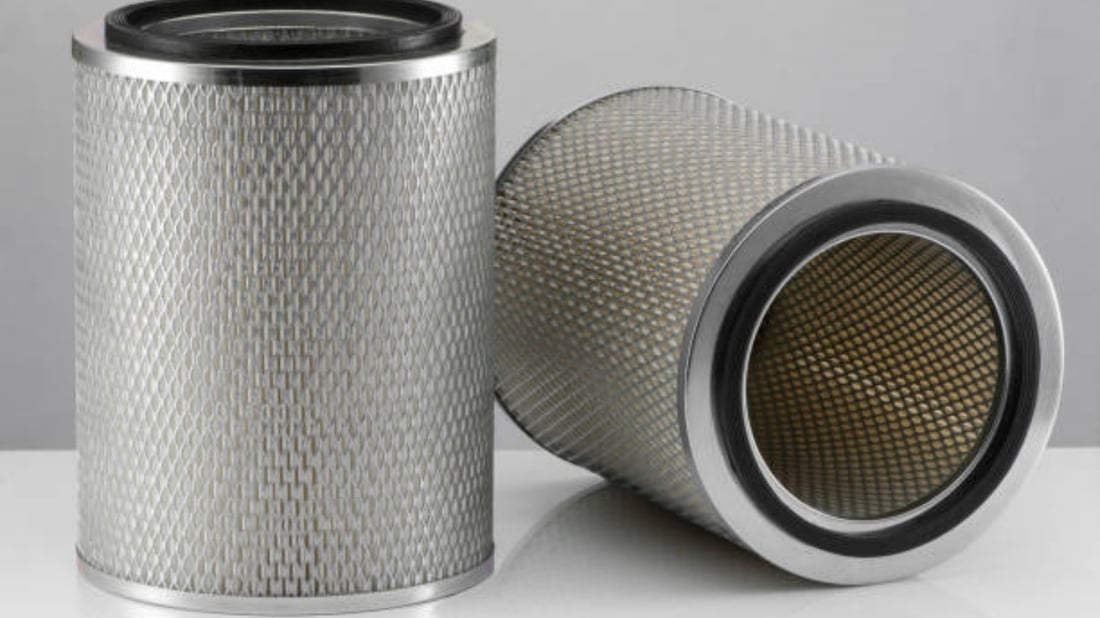
A high flow stainless steel mesh air filter is an advanced filtration device designed to maximize airflow while efficiently trapping contaminants. It uses woven stainless steel mesh as the primary filtration medium, offering durability and resistance to corrosion, making it ideal for various industrial, automotive, and environmental applications. The emphasis on "high flow" highlights its capacity to handle increased volumes of air without compromising filtration efficiency.
Superior Durability and Longevity
One defining feature of stainless steel mesh air filters is their exceptional durability. The stainless steel mesh resists rust, corrosion, and physical wear, allowing these filters to last significantly longer than traditional paper or foam filters. Their robust construction withstands extreme temperatures, humidity, and chemical exposures, resulting in reduced replacement costs and enhanced operational reliability.
Enhanced Airflow Performance
High flow stainless steel mesh air filters are engineered to minimize airflow resistance. The open-weave design permits greater volumes of air to pass through with less pressure drop, improving engine or system breathing capabilities. This characteristic is critical for high-performance applications where maximizing airflow directly translates to improved efficiency and power output.
Effective Filtration and Contaminant Removal
Despite their high flow capabilities, these filters maintain strong particle capture efficiency. The stainless steel mesh traps dust, dirt, pollen, and other airborne contaminants while allowing air to flow freely. Multiple mesh layers can be combined to optimize filtration without sacrificing performance, making these filters suitable for environments where air quality and equipment protection are paramount.
Reusable and Easy Maintenance
Unlike traditional disposable filters, high flow stainless steel mesh air filters are washable and reusable. This characteristic makes them environmentally friendly and cost-effective over time. Cleaning typically involves rinsing with water or mild detergents, followed by thorough drying. Proper maintenance ensures sustained airflow and filtration efficiency throughout the filter’s lifespan.
Applications in Automotive Industry
In the automotive sector, high flow stainless steel mesh air filters are highly sought after for performance vehicles and everyday cars alike. Their ability to increase airflow enhances engine combustion efficiency, potentially resulting in better horsepower and fuel economy. Furthermore, their durability makes them ideal for off-road or harsh driving conditions where exposure to dust and debris is common.
Industrial and HVAC System Utilization
High flow stainless steel mesh air filters are extensively used in industrial ventilation and HVAC systems to maintain air quality and system efficiency. Their corrosion-resistant properties are especially valued in harsh environments such as chemical plants or food processing facilities. Their easy cleaning further reduces downtime and maintenance expenses in large-scale operations.
Environmental Benefits and Sustainability
Reusability and long service life contribute significantly to the environmental advantages of stainless steel mesh filters. Reduced reliance on disposable filters lowers waste production, while efficient filtration helps maintain cleaner air in homes, workplaces, and outdoor environments. This sustainability aspect aligns well with growing ecological awareness and regulatory demands.
Customization and Versatility
These air filters can be customized in terms of mesh size, layer count, and frame design to meet specific performance criteria. They are versatile enough to be integrated into diverse systems ranging from small engines to large industrial air purification units. This adaptability makes high flow stainless steel mesh air filters a preferred choice across multiple disciplines.
Cost Considerations and Return on Investment
While the initial purchase price of a high flow stainless steel mesh air filter may be higher than standard filters, the long-term financial benefits are considerable. Their durability, reusability, and improved performance collectively reduce replacement frequency and operational costs. Investing in these filters often yields a favorable return on investment through enhanced system efficiency and longevity.
Quote Inquiry
contact us