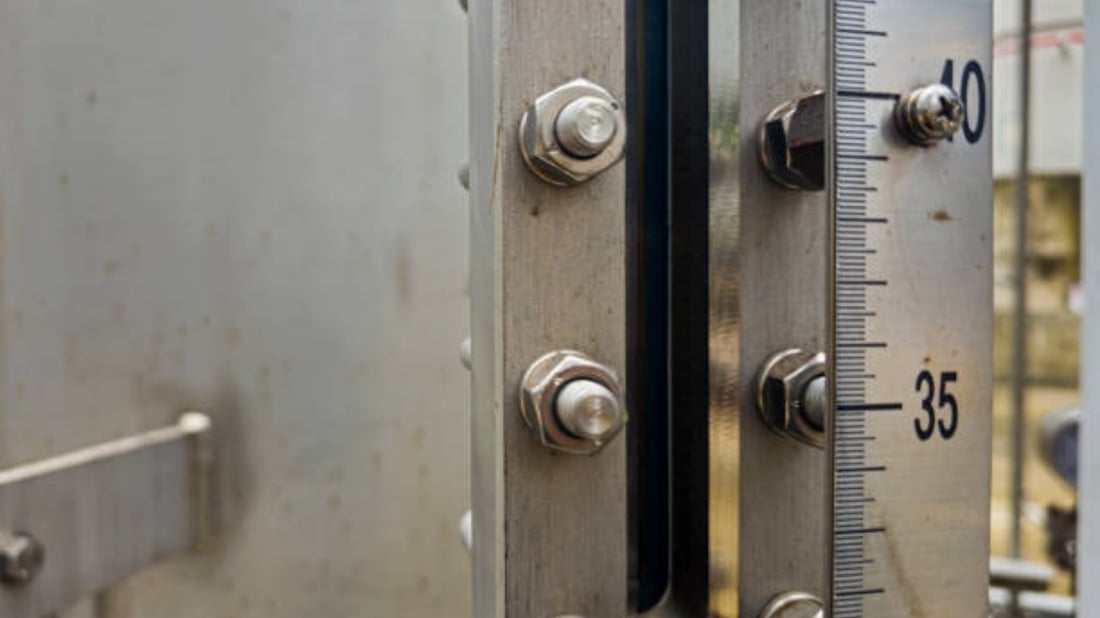
Custom liquid level sensors are specialized devices designed to measure the level of liquids in tanks, containers, or natural bodies of water. These sensors are tailored to meet specific industry requirements, allowing for accurate and reliable liquid level monitoring in various environments. Unlike off-the-shelf sensors, custom versions can adapt to unique material compatibility, size constraints, and output signals, making them indispensable in advanced industrial processes.
Importance of Customization in Liquid Level Sensing
Customization enhances the performance and functionality of liquid level sensors by aligning them precisely with application needs. Whether it’s the shape, measurement range, or environmental tolerances, custom liquid level sensors ensure that the device performs optimally within the context it is deployed. This specialized approach results in improved accuracy, durability, and user satisfaction compared to generic alternatives.
Types of Technologies Used in Custom Liquid Level Sensors
Custom liquid level sensors utilize various sensing technologies, including ultrasonic, capacitive, optical, float-based, and pressure transducers. Each technology offers benefits depending on factors like liquid type, container shape, and measurement range. For instance, ultrasonic sensors provide non-contact measurement ideal for corrosive liquids, while float-based sensors offer simplicity and cost-effectiveness in commonly encountered liquid media.
Industry Applications Leveraging Custom Liquid Level Sensors
Industries such as oil and gas, chemical processing, food and beverage, water treatment, and pharmaceuticals benefit greatly from custom liquid level sensors. These sensors help maintain safety, optimize processes, and ensure regulatory compliance by providing precise liquid level data. For example, in chemical processing, sensors resistant to aggressive fluids prevent sensor degradation and measurement errors.
Material Considerations for Custom Liquid Level Sensors
A critical aspect of customization involves selecting appropriate materials for sensor construction. Materials must resist corrosion, contamination, and chemical reactions based on the liquid being measured. Stainless steel, PTFE, and other specialized polymers are common choices that enhance lifespan and maintain measurement integrity, especially in harsh or reactive environments.
Environmental Challenges and Sensor Adaptations
Custom liquid level sensors are engineered to withstand variable environmental conditions such as extreme temperatures, pressure fluctuations, and exposure to dust or moisture. By aligning sensor design with environmental demands, users benefit from continuous, dependable operation in challenging settings like offshore platforms or industrial refrigeration units.
Integration with Automation and Control Systems
Modern custom liquid level sensors often include communication capabilities compatible with SCADA, PLC, and IoT systems. This integration enables real-time monitoring, data analytics, and automated responses to liquid level changes. Customization ensures that sensors provide the necessary output signals and interfaces for seamless incorporation into existing control networks.
Advantages of Custom Liquid Level Sensors Over Standard Models
Custom liquid level sensors offer tailored fit, enhanced accuracy, and longer service life. They minimize installation challenges and maintenance needs by targeting specific operational constraints. This results in lower total cost of ownership, reduced downtime, and improved process efficiencies compared to standard, one-size-fits-all liquid level sensing solutions.
Cost Factors and ROI Considerations
Though custom liquid level sensors may involve higher upfront investment, the return on investment (ROI) manifests through increased precision, reduced waste, and higher system uptime. Over the long term, these benefits outweigh initial costs, especially in high-stakes industries where measurement errors or sensor failures can lead to expensive downtime or safety hazards.
Future Trends in Custom Liquid Level Sensors
Advances in sensor technology, such as miniaturization, wireless communication, and smart data processing, are shaping the future of custom liquid level sensors. These trends allow for more adaptable, intelligent devices capable of predictive maintenance and enhanced interoperability, further pushing the boundaries of precision and reliability in fluid monitoring.
Quote Inquiry
contact us