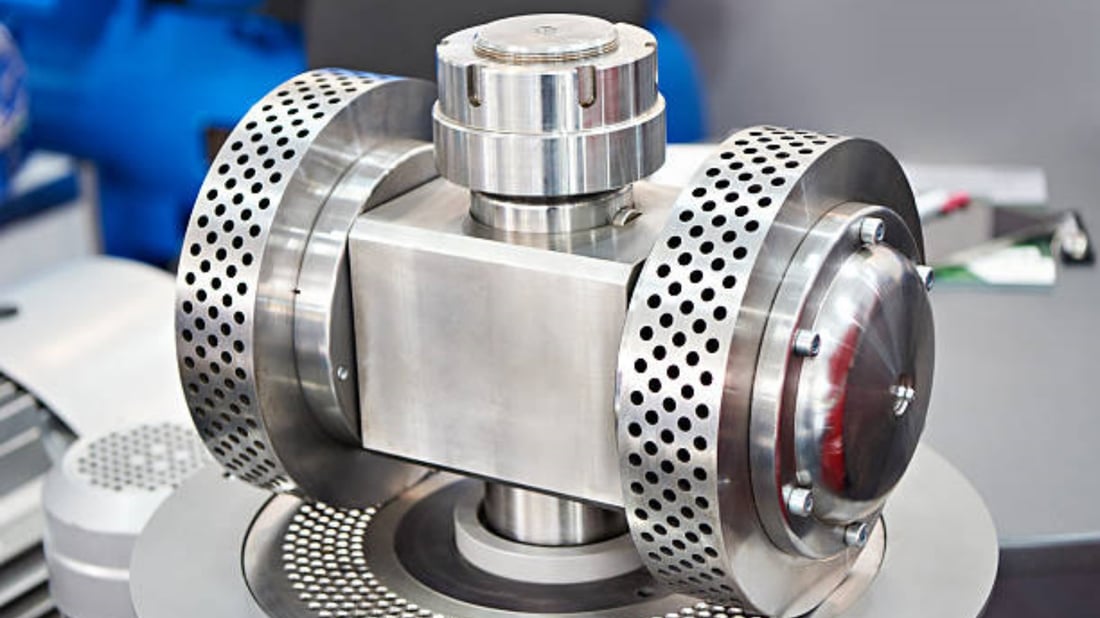
Stainless steel filters are renowned for their corrosion resistance, a critical factor that defines their efficiency and lifespan in various industrial applications. Corrosion resistance refers to the material’s ability to withstand degradation caused by chemical reactions with the environment, such as oxidation or exposure to acids and salts. The unique composition of stainless steel, primarily its chromium content, forms a passive oxide layer that protects against corrosion, making these filters ideal for harsh environments.
The Role of Chromium in Enhancing Corrosion Resistance
Chromium is the key element that imparts corrosion resistance to stainless steel filters. Typically, stainless steel contains at least 10.5% chromium, which reacts with oxygen to create an invisible, adherent oxide layer on the metal surface. This passivation layer acts as a shield, preventing further oxidation and corrosion. The higher the chromium content, the better the corrosion resistance, particularly in aggressive or acidic environments.
Influence of Stainless Steel Grades on Corrosion Resistance
Various grades of stainless steel offer differing levels of corrosion resistance for filters. Austenitic stainless steels, such as 304 and 316 grades, are widely used due to their excellent corrosion resistance and strength. Grade 316, which contains molybdenum, provides superior resistance against chlorides and marine environments, making it the preferred material for filters exposed to saltwater or chemical processing.
Corrosion Mechanisms Affecting Stainless Steel Filters
Understanding corrosion mechanisms is vital to optimizing the performance of stainless steel filters. Common forms include pitting corrosion, crevice corrosion, and stress corrosion cracking. Pitting, localized and often difficult to detect, occurs where the passive layer is disrupted. Crevice corrosion happens in shielded areas such as joints or overlaps. Recognizing these mechanisms helps in selecting appropriate materials and designs to enhance corrosion resistance.
Impact of Environmental Factors on Filter Performance
Environmental conditions significantly influence the corrosion resistance of stainless steel filters. Exposure to chlorine, salt spray, acidic or alkaline substances, or high humidity can accelerate degradation. Filters used in chemical processing, wastewater treatment, or marine applications must be carefully selected to match environmental challenges to sustain long-term corrosion resistance and operational reliability.
Surface Treatments to Boost Corrosion Resistance
Surface treatment technologies can enhance the corrosion resistance of stainless steel filters. Techniques such as electropolishing, passivation, and coating are commonly employed. Electropolishing smoothens the surface, reducing microscopic crevices where corrosion may initiate. Passivation strengthens the protective oxide film by removing iron contaminants. Protective coatings provide an additional barrier against aggressive agents, extending filter lifespan.
Corrosion Resistance in High-Temperature Applications
Stainless steel filters used in high-temperature environments require specific corrosion resistance attributes. Elevated temperatures can alter the protective oxide film and accelerate oxidation. Certain stainless steel alloys, including heat-resistant grades like 309 and 310, are designed to maintain corrosion resistance and mechanical integrity at elevated temperatures, ensuring filter functionality in power plants, petrochemical industries, and exhaust systems.
Maintenance Practices to Preserve Corrosion Resistance
Proper maintenance is essential for sustaining the corrosion resistance of stainless steel filters. Regular cleaning to remove deposits, salts, and contaminants prevents corrosion initiation. Avoiding mechanical damage that compromises the passive layer is equally important. Implementing routine inspections and employing appropriate cleaning agents can prolong the filter’s effective lifespan in corrosive operating conditions.
Economic Benefits of Corrosion-Resistant Stainless Steel Filters
Investing in stainless steel filters with superior corrosion resistance offers substantial economic advantages. Reduced frequency of filter replacement, lower maintenance costs, and minimized downtime contribute to overall savings. Enhanced corrosion resistance ensures product purity and system efficiency, particularly in food processing, pharmaceuticals, and water treatment industries where contamination risk is critical.
Future Trends in Stainless Steel Filter Corrosion Resistance
Ongoing research and development continue to advance stainless steel filter corrosion resistance. Innovations include nano-engineered coatings, advanced alloy compositions with higher corrosion resistance, and smart sensors that monitor corrosion in real-time. These developments aim to enhance durability, reduce maintenance costs, and expand application possibilities, solidifying the role of stainless steel filters in increasingly aggressive environments.
Quote Inquiry
contact us