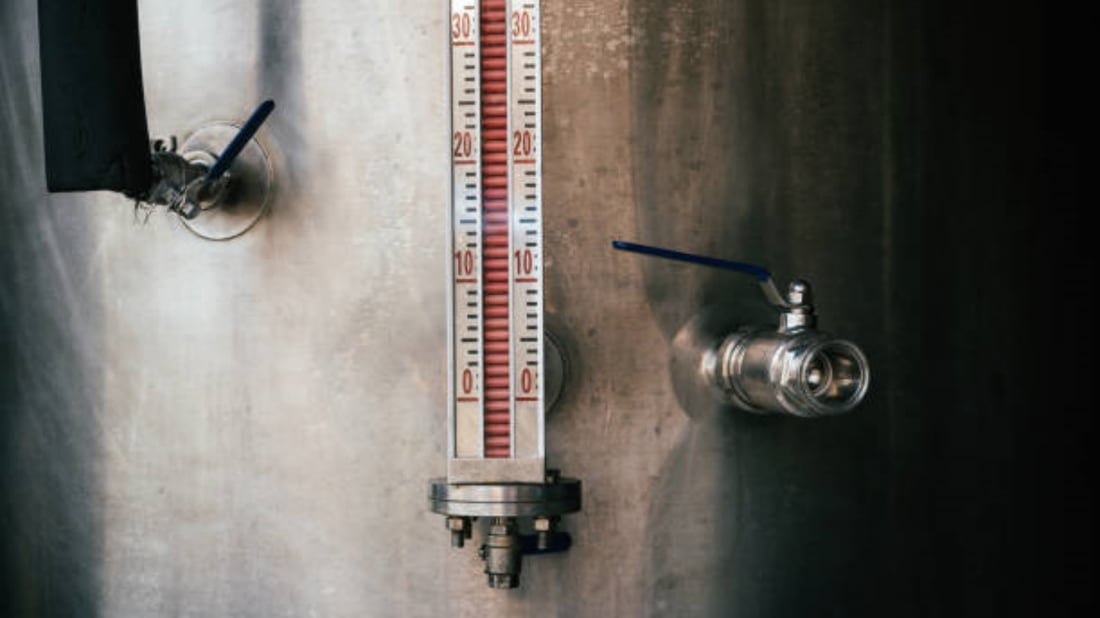
Fluid level measurement is a critical process used to determine the height or volume of liquid within containers such as tanks, reservoirs, and pipelines. Accurately monitoring fluid levels ensures operational efficiency, safety, and regulatory compliance in various industries including oil and gas, water treatment, and food processing.
Principles Behind Fluid Level Measurement
The fundamental principle of fluid level measurement revolves around detecting the interface between the fluid surface and the atmosphere or another phase. Techniques employ physical properties such as pressure, ultrasonic reflection, capacitance, or buoyancy, allowing sensors to quantify liquid height or volume effectively.
Common Types of Fluid Level Measurement Technologies
Several technologies dominate fluid level measurement, including ultrasonic sensors, radar level transmitters, float switches, capacitive sensors, and pressure transducers. Each method has its unique strengths and is selected based on fluid type, container shape, and environmental conditions.
Ultrasonic Fluid Level Measurement Explained
Ultrasonic measurement uses high-frequency sound waves emitted towards the fluid surface. The sensor calculates fluid level by measuring the echo return time. This non-contact method is ideal for corrosive, toxic, or high-temperature liquids since it avoids contamination and wear.
Radar-Based Fluid Level Measurement Advantages
Radar level transmitters employ microwave pulses to gauge fluid height with high precision, even in challenging conditions such as vapor, foam, or dust. This technology offers robust performance, making it suitable for aggressive chemicals and fluctuating process parameters.
Capacitive Fluid Level Measurement Mechanisms
Capacitive sensors function by measuring changes in capacitance caused by the fluid’s presence between sensor electrodes. This method is effective for conductive and non-conductive liquids, providing reliable real-time data especially in compact or confined spaces.
Pressure-Based Fluid Level Measurement Methods
Pressure transducers determine fluid level by sensing hydrostatic pressure at the container's bottom. The measured pressure correlates directly with fluid depth, making this technique particularly useful for deep tanks or wells, and for fluids where surface conditions might interfere with other sensors.
Applications of Fluid Level Measurement Across Industries
Fluid level measurement has diverse applications including fuel management in automotive and aerospace industries, water and wastewater treatment plants, chemical processing, and beverage manufacturing. Accurate measurement prevents shortages, overflows, and contamination, enhancing process control.
Challenges and Considerations in Fluid Level Measurement
Factors such as fluid viscosity, temperature fluctuations, presence of vapors or foam, and tank geometry can complicate fluid level measurement. Selecting the appropriate technology requires thorough evaluation of these conditions to ensure measurement accuracy and sensor longevity.
Future Trends in Fluid Level Measurement Technology
Advancements in IoT integration and smart sensors are driving the future of fluid level measurement. Remote monitoring, predictive maintenance, and enhanced data analytics are becoming standard, improving operational efficiency and reducing downtime across industries.
Best Practices for Ensuring Accurate Fluid Level Measurement
To achieve precise fluid level measurement, regular calibration, sensor maintenance, and environment-specific customization are essential. Choosing compatible materials and technologies aligned with fluid properties and process demands helps minimize errors and extend equipment lifespan.
Quote Inquiry
contact us